
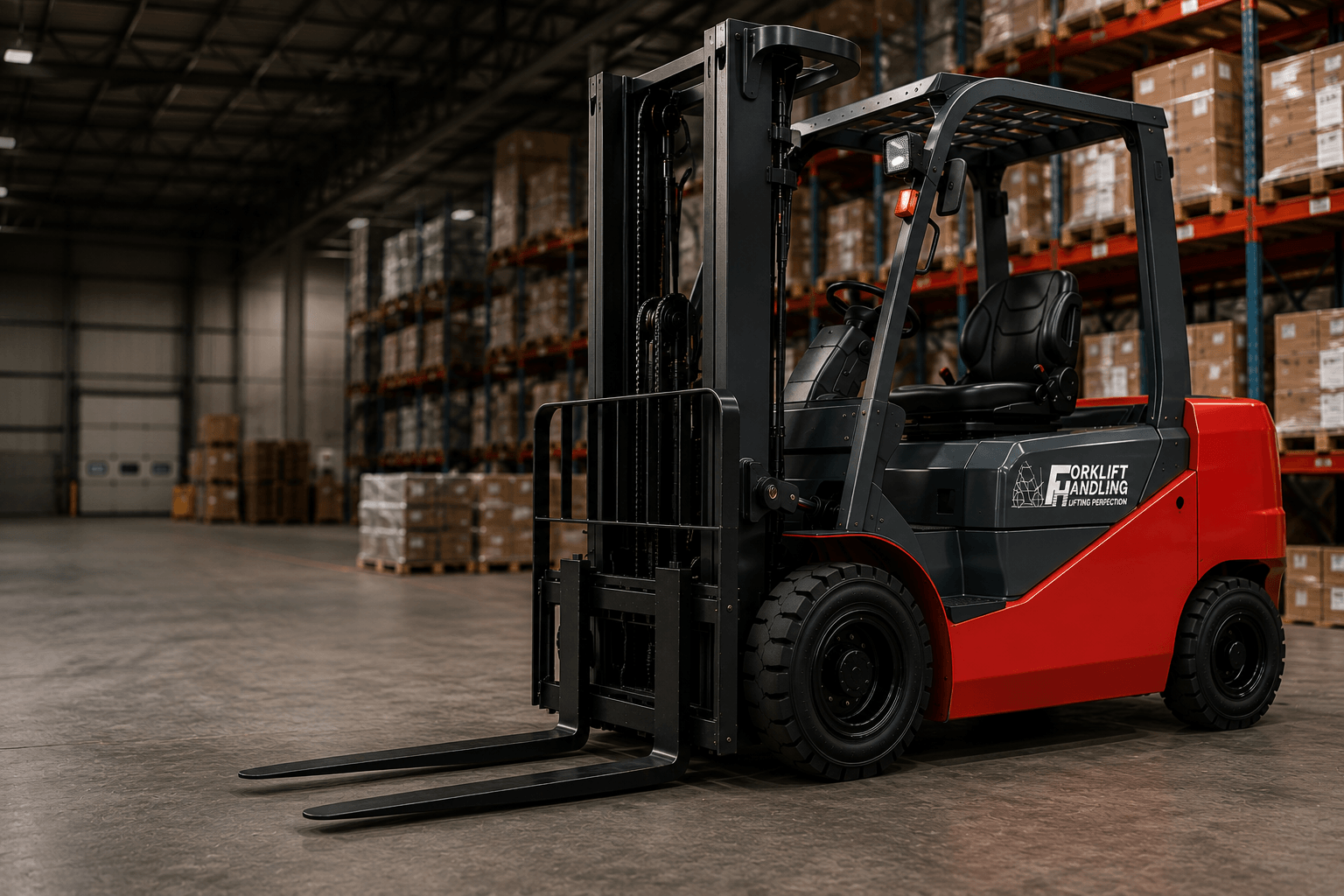
Should You Rent or Buy a Forklift?
For many businesses, forklifts are essential for moving materials safely and efficiently. Whether you operate a warehouse, distribution centre, manufacturing facility, construction site, or logistics company, having access to the right equipment is crucial.
One of the most common questions businesses face is whether to buy a forklift outright or rent one when needed. While purchasing a forklift can make sense for some operations, forklift rental often provides a more flexible and cost-effective solution.
If you’re unsure which option is best for your business, here are five clear signs that renting a forklift may be the smarter choice.
1. Your Forklift Requirements Are Temporary
One of the biggest reasons businesses choose forklift rental is that their need for equipment is temporary.
You may only require a forklift for:
- Seasonal increases in workload
- Special projects
- Warehouse relocations
- Construction contracts
- Temporary staff expansions
- Inventory stocktakes
Purchasing a forklift for a short-term requirement can tie up significant capital in equipment that may sit unused once the project is complete.
By renting a forklift, you only pay for the equipment when you need it, helping to keep operating costs under control.
Example
A warehouse preparing for a busy holiday season may need additional forklifts for only two or three months. Renting allows the business to meet demand without making a long-term investment.
2. You Want to Preserve Cash Flow
Forklifts represent a substantial capital investment. Depending on the type, capacity, and specifications, purchasing a forklift can require a significant upfront expenditure.
Many businesses prefer to allocate capital toward:
- Business growth
- Inventory purchases
- Marketing and sales
- Facility upgrades
- Staff expansion
- Technology investments
Forklift rental eliminates the need for a large upfront purchase and converts the expense into a manageable operating cost.
- Benefits of Improved Cash Flow
- Greater financial flexibility
- Reduced pressure on working capital
- Easier budgeting
- Lower financial risk
For growing businesses, preserving cash flow is often one of the strongest arguments for renting rather than buying.
3. Your Workload Fluctuates Throughout the Year
Not every business requires the same amount of equipment all year round.
Industries that often experience seasonal fluctuations include:
- Warehousing
- Logistics
- Retail distribution
- Agriculture
- Manufacturing
- Construction
When demand increases, additional forklifts may be needed to maintain productivity. During quieter periods, however, owning multiple forklifts can leave expensive equipment sitting idle.
Forklift rental provides the flexibility to scale your fleet up or down as required.
Advantages of Flexible Fleet Management
- Pay only for equipment you actively use
- Easily increase capacity during peak periods
- Reduce unnecessary ownership costs
- Improve operational efficiency
Rental allows businesses to match equipment levels directly to workload demands.
4. You Want to Avoid Maintenance and Repair Costs
Forklift ownership comes with ongoing maintenance responsibilities.
Over time, forklifts require:
- Routine servicing
- Replacement parts
- Tyre replacements
- Battery maintenance
- Hydraulic repairs
- Breakdown repairs
- Safety inspections
These costs can quickly add up and may be difficult to predict.
Many forklift rental agreements include maintenance and support, reducing the burden on your business and helping to prevent unexpected expenses.
Benefits of Rental Maintenance Packages
- Reduced downtime
- Predictable operating costs
- Professional servicing
- Faster repair response times
- Improved equipment reliability
Instead of managing repairs yourself, your rental provider handles maintenance so you can focus on running your business.
5. You Need Access to the Latest Equipment
Forklift technology continues to evolve, offering improvements in:
- Safety systems
- Fuel efficiency
- Battery performance
- Operator comfort
- Productivity features
- Telematics and fleet tracking
Businesses that own forklifts may continue operating older equipment long after newer, more efficient models become available.
Forklift rental gives you access to modern equipment without the long-term commitment of ownership.
Benefits of Newer Forklift Models
- Improved safety features
- Better fuel economy
- Reduced maintenance requirements
- Increased productivity
- Lower operating costs
For businesses that value flexibility and operational efficiency, renting can provide access to the latest technology without the burden of ownership.
Additional Benefits of Forklift Rental
Beyond the five signs above, forklift rental offers several additional advantages:
Fast Equipment Availability
Rental companies often have equipment available immediately, helping businesses respond quickly to changing operational requirements.
Trial Before Purchase
Renting allows businesses to evaluate different forklift models before making a long-term purchasing decision.
Reduced Asset Management
Ownership requires managing servicing schedules, maintenance records, depreciation, and resale value. Rental eliminates much of this administrative burden.
Lower Risk
If your operational needs change, rental provides greater flexibility than owning equipment that may no longer suit your requirements.
When Buying a Forklift May Be the Better Option
Although rental offers many advantages, purchasing may still be the right choice if:
- You use the forklift daily throughout the year
- Your operational requirements remain consistent
- You plan to keep the equipment for many years
- You prefer owning business assets
- Long-term ownership costs are lower than ongoing rental fees
A professional forklift supplier can help analyse your usage patterns and determine the most cost-effective solution.
Frequently Asked Questions
Is renting a forklift cheaper than buying?
For short-term and seasonal requirements, renting is often significantly more cost-effective than purchasing. For long-term, high-usage operations, buying may provide better value.
How long can I rent a forklift for?
Most forklift rental providers offer flexible rental periods ranging from a single day to several years.
Does forklift rental include maintenance?
Many rental agreements include servicing, maintenance, and breakdown support. Always confirm what is included with your supplier.
Can I rent different types of forklifts?
Yes. Rental fleets often include electric, diesel, LPG, reach trucks, pallet stackers, and specialised material handling equipment.
Conclusion
Forklift rental offers businesses flexibility, cost control, and access to modern equipment without the financial commitment of ownership.
If your equipment requirements are temporary, seasonal, unpredictable, or if you want to preserve cash flow and avoid maintenance responsibilities, renting may be the ideal solution.
Before making a decision, evaluate your operational needs, budget, and long-term goals. Partnering with an experienced forklift handling specialist can help ensure you choose the most cost-effective and productive solution for your business.
Contact us for your Forklift Requirements Today!