by Robin van der Bijl | May 27, 2026 | News & Updates
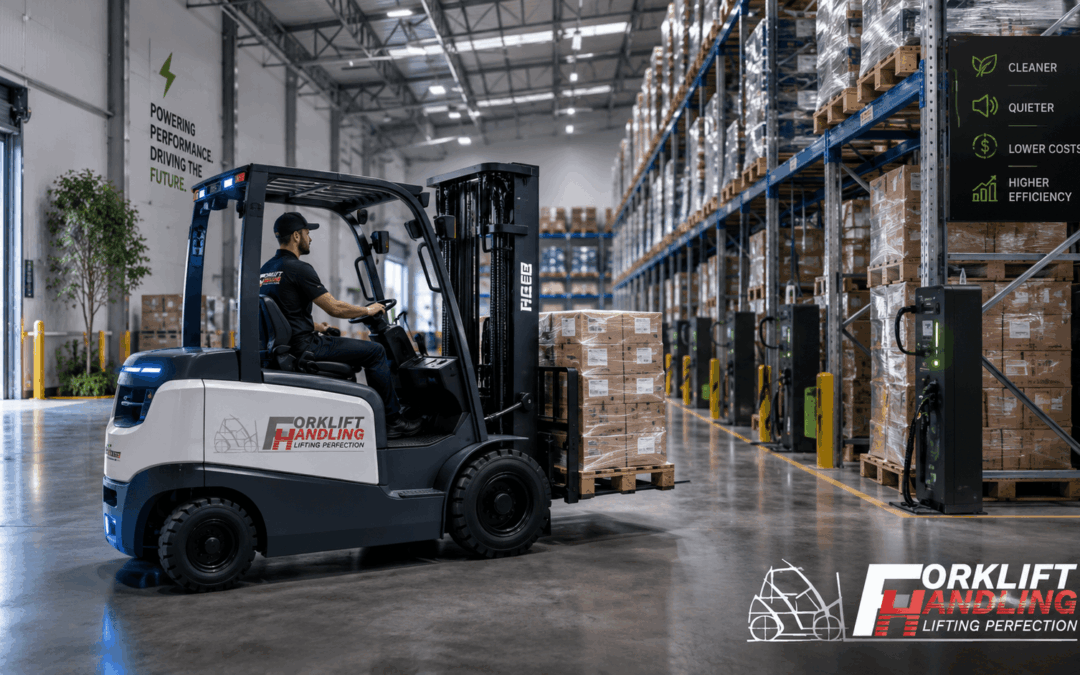
Why More Warehouses Are Choosing Electric Forklifts
The modern warehouse has evolved significantly over the past decade. With increasing pressure to improve efficiency, reduce operating costs, and create safer working environments, businesses are continuously looking for smarter material handling solutions.
One of the biggest shifts in the warehousing industry has been the move towards electric forklifts. Once considered suitable only for light-duty applications, today’s electric forklifts offer impressive performance, lower running costs, and advanced technology that make them an ideal choice for modern warehouse operations.
Whether you operate a small storage facility, a large distribution centre, or an e-commerce fulfilment warehouse, electric forklifts offer a range of benefits that can improve productivity and support long-term business growth.
What Is an Electric Forklift?
An electric forklift is powered by rechargeable batteries rather than diesel, petrol, or LPG fuel. These forklifts use electric motors to perform lifting, lowering, and driving functions.
Modern electric forklifts are available in a variety of sizes and capacities, making them suitable for everything from light warehouse duties to demanding industrial applications.
Common applications include:
- Warehousing
- Distribution centres
- Manufacturing facilities
- Retail logistics
- Cold storage facilities
- E-commerce fulfilment centres
1. Lower Operating Costs
One of the biggest advantages of electric forklifts is their ability to reduce operational expenses.
Unlike diesel or LPG forklifts, electric models do not require fuel purchases. Electricity costs are generally lower and more predictable than fuel costs, helping businesses manage budgets more effectively.
Cost Savings Include:
- Lower energy costs
- Reduced servicing expenses
- Fewer replacement parts
- Less downtime due to maintenance
Over the lifespan of the forklift, these savings can be substantial.
2. Reduced Maintenance Requirements
Electric forklifts have significantly fewer moving parts than internal combustion forklifts.
There are no:
- Engine oil changes
- Fuel filters
- Spark plugs
- Exhaust systems
- Radiators
This results in:
- Less maintenance
- Lower repair costs
- Improved reliability
- Increased uptime
For warehouse managers, reduced maintenance means more productive equipment and fewer operational disruptions.
3. Zero Exhaust Emissions
One of the key reasons electric forklifts are so popular in warehouse environments is their emission-free operation.
Because electric forklifts produce no exhaust fumes, they help create:
- Cleaner indoor air
- Healthier working environments
- Improved employee comfort
- Better environmental compliance
This is especially important in enclosed warehouses where air quality can directly impact worker health and productivity.
4. Quieter Operation
Noise levels can have a significant effect on workplace comfort and efficiency.
Electric forklifts operate much more quietly than diesel or LPG alternatives.
Benefits of Reduced Noise Include:
- Improved communication between employees
- Lower workplace stress levels
- Enhanced operator comfort
- Reduced noise pollution
A quieter warehouse often contributes to a safer and more productive working environment.
5. Improved Energy Efficiency
Electric forklifts convert energy into usable power more efficiently than internal combustion engines.
This results in:
- Better energy utilisation
- Reduced operating costs
- Increased sustainability
- Lower environmental impact
Many businesses are choosing electric forklifts as part of broader sustainability initiatives aimed at reducing carbon emissions and improving environmental performance.
6. Better Manoeuvrability
Warehouse environments often involve:
- Narrow aisles
- Tight corners
- High-density storage systems
- Busy workspaces
Electric forklifts are typically designed with excellent manoeuvrability, making them ideal for operating in confined spaces.
Advantages Include:
- Tighter turning circles
- Precise control
- Smooth operation
- Increased productivity
This can significantly improve efficiency in modern warehouse layouts.
7. Enhanced Operator Comfort
Modern electric forklifts are designed with operator productivity in mind.
Many models feature:
- Ergonomic controls
- Reduced vibration
- Comfortable seating
- Improved visibility
- Smooth acceleration and braking
A comfortable operator is generally a more productive operator, particularly during long shifts.
8. Increased Warehouse Productivity
Electric forklifts can contribute directly to improved warehouse performance.
Benefits include:
- Faster material handling
- Reduced downtime
- Consistent performance
- Improved workflow efficiency
When combined with proper warehouse management systems and efficient storage layouts, electric forklifts can help maximise operational output.
9. Environmentally Friendly Operations
Sustainability has become a major focus for businesses across all industries.
Electric forklifts support environmental goals by:
- Eliminating direct emissions
- Reducing fuel consumption
- Lowering carbon footprints
- Supporting green building initiatives
Many businesses now view electric forklifts as an important part of their environmental responsibility programmes.
10. Ideal for Modern Distribution Centres
Today’s distribution centres require equipment that can operate efficiently while supporting high inventory volumes and fast order fulfilment.
Electric forklifts are perfectly suited to:
- High-volume warehousing
- Distribution operations
- Retail logistics
- E-commerce fulfilment centres
Their combination of efficiency, reliability, and low operating costs makes them a valuable asset in modern supply chains.
Are Electric Forklifts Powerful Enough?
A common misconception is that electric forklifts are less powerful than diesel alternatives.
Modern electric forklifts now offer:
- Competitive lifting capacities
- Excellent acceleration
- Reliable performance
- Advanced battery technology
Many models can comfortably handle the demands of most warehouse and distribution centre operations.
Lithium-Ion vs Lead-Acid Batteries
When choosing an electric forklift, businesses will often encounter two battery options.
Lead-Acid Batteries
Benefits include:
- Lower initial cost
- Proven technology
- Lithium-Ion Batteries
- Faster charging
- Longer lifespan
- Minimal maintenance
- Opportunity charging capabilities
Many modern warehouses are increasingly adopting lithium-ion technology due to its operational advantages.
Frequently Asked Questions
Are electric forklifts cheaper to operate?
Yes. Electric forklifts typically have lower energy, maintenance, and servicing costs compared to diesel or LPG forklifts.
How long do electric forklift batteries last?
Depending on usage and maintenance, batteries can last between 5 and 10 years or longer.
Can electric forklifts be used outdoors?
Yes. Many modern electric forklifts can operate outdoors on suitable surfaces, although they are primarily designed for indoor use.
Are electric forklifts suitable for warehouses?
Absolutely. Electric forklifts are widely regarded as one of the best material handling solutions for warehouse environments.
Conclusion
Electric forklifts have become the preferred choice for many modern warehouses due to their lower operating costs, reduced maintenance requirements, zero emissions, quiet operation, and excellent manoeuvrability.
As warehouse operations continue to evolve, businesses are increasingly investing in electric forklift technology to improve productivity, reduce environmental impact, and create safer working environments.
If you’re considering upgrading your warehouse equipment, an electric forklift could be one of the smartest investments you make. Speak to a forklift handling specialist to determine the ideal electric forklift solution for your specific operational requirements.
Contact us for your Forklift Requirements Today!
sales@forklifthandling.com
leon@forklifthandling.com
18 Bundo Road, Edenvale, GP, 1609, South Africa
by Robin van der Bijl | May 18, 2026 | News & Updates
Forklift Handling Ranked Among Africa’s Fastest-Growing Companies
A remarkable achievement that places Forklift Handling among the continent’s leading growth businesses and highlights the company’s ongoing commitment to service excellence, innovation, and customer partnerships.
A Proud Milestone for Forklift Handling
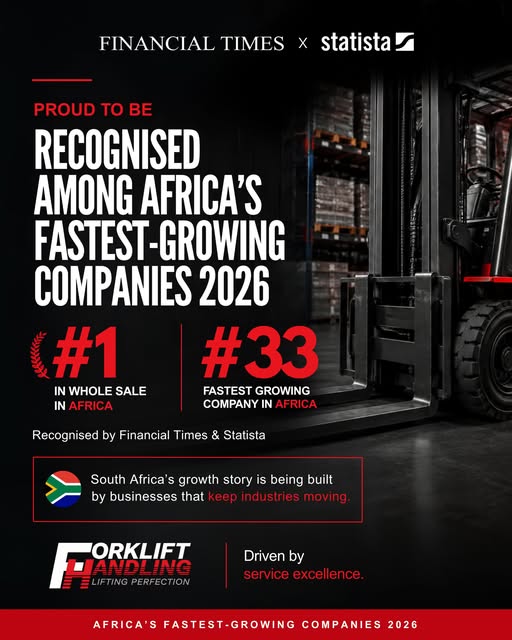
Forklift Handling is proud to announce its inclusion in the Financial Times Africa’s Fastest-Growing Companies 2026 ranking.
The company achieved an impressive ranking of #33 in Africa, was recognised as #1 in the Wholesale category, and was one of only 17 South African companies included on the prestigious list.
This recognition represents far more than rapid growth. It reflects years of dedication, strategic planning, exceptional customer service, and a team committed to delivering industry-leading forklift solutions throughout South Africa.
Recognition on a Continental Stage
The Financial Times ranking highlights businesses across Africa that have demonstrated exceptional growth, resilience, and business performance.
Being recognised among Africa’s fastest-growing companies places Forklift Handling alongside some of the continent’s most successful and innovative organisations. Achieving the number one position within the wholesale category further reinforces the company’s leadership within the material handling industry.
This achievement serves as a testament to the strength of the business, its people, and the relationships that have been built with customers, suppliers, and partners over the years.
Built on Service, Relationships and Commitment
At Forklift Handling, growth has never been the sole objective.
The company has always focused on delivering reliable forklift solutions, responsive service, and long-term value to customers. From forklift sales and rentals to maintenance, servicing, and support, every aspect of the business is driven by a commitment to helping customers succeed.
The relationships built with clients across numerous industries have been instrumental in shaping the company’s journey and creating a strong foundation for continued growth.
A Team Effort
Achievements of this scale are never the result of one individual or department.
This recognition belongs to every member of the Forklift Handling team who consistently goes above and beyond to deliver outstanding service. It also reflects the trust placed in the company by customers, suppliers, and business partners who have supported its growth over the years.
Their confidence, loyalty, and collaboration have helped make this milestone possible.
Looking to the Future
While being recognised by the Financial Times is a significant achievement, it also marks the beginning of an exciting new chapter.
Forklift Handling remains focused on expanding its service offering, strengthening customer relationships, and continuing to provide dependable material handling solutions across South Africa.
As the business moves forward, its commitment remains unchanged: delivering exceptional service, building lasting partnerships, and helping customers keep their operations moving.
Thank You
To every customer, supplier, partner, and team member who has contributed to this journey — thank you.
This achievement belongs to all of us, and we look forward to reaching even greater heights together.
Read More
You can view the full Financial Times Africa’s Fastest-Growing Companies 2026 ranking by visiting the official publication.
by Robin van der Bijl | Apr 23, 2026 | News & Updates
Forklift Handling Ranked Among South Africa’s Fastest-Growing Companies
A major milestone that reflects growth, partnerships, and a commitment to service excellence in the material handling industry.
A Proud Achievement for Forklift Handling
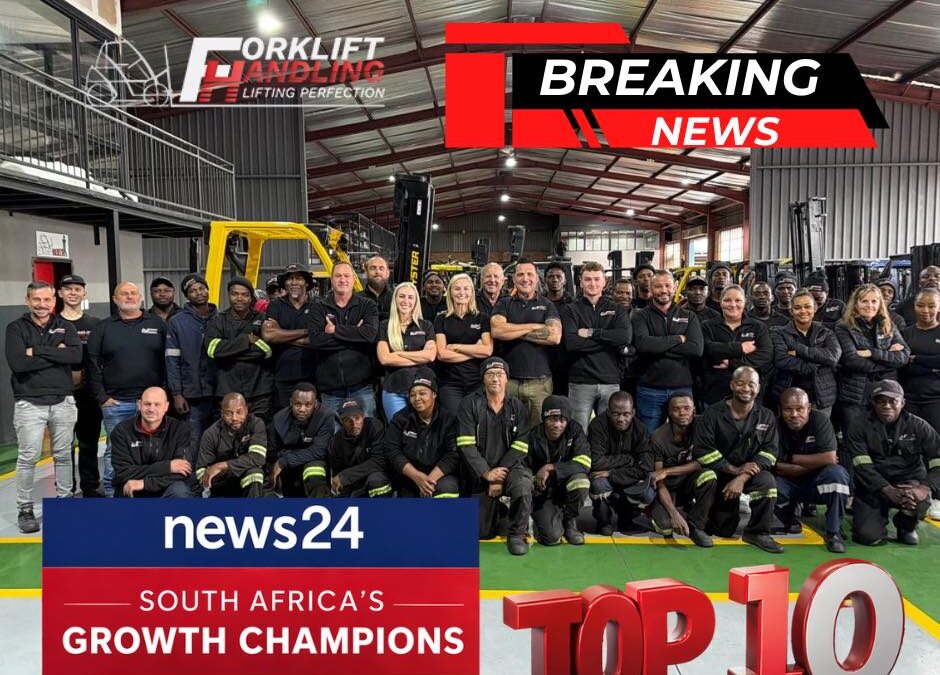
Forklift Handling is proud to announce a major milestone in its journey — being ranked among the top 10 fastest-growing companies in South Africa by Statista.
This recognition is not just about rapid growth; it represents years of dedication, consistency, and a strong commitment to delivering quality forklift solutions and dependable service. Being included in such a prestigious ranking highlights the company’s position as a trusted name in the material handling industry.
More Than Growth — A Commitment to Partnership
Choosing a forklift supplier is about more than just pricing — it’s about reliability, support, and long-term partnership. Forklift Handling has built its reputation on delivering not only quality equipment but also service excellence that customers can rely on.
From forklift sales and rentals to maintenance and support, the company focuses on building lasting relationships with clients across South Africa. This partnership-driven approach has played a key role in its continued growth and success.
Recognised Among South Africa’s Leading Companies
The ranking, published by News24 in collaboration with Statista, showcases some of the fastest-growing businesses in the country.
To be included in this list is a significant achievement, placing Forklift Handling alongside other high-performing companies that are driving innovation and growth within their respective industries.
👉 You can view the full list here:
Built on People, Passion, and Persistence
This milestone would not have been possible without the people behind the business. From a humble beginning in a garage to becoming one of South Africa’s fastest-growing companies, the journey has been shaped by dedication, hard work, and belief in the vision.
The team at Forklift Handling, along with loyal customers, suppliers, and supporters, have all contributed to this success. Each partnership and project has played a role in building the company into what it is today.
Looking Ahead
While this recognition marks a significant achievement, it also sets the stage for continued growth. Forklift Handling remains committed to delivering high-quality forklift solutions, exceptional service, and long-term value to its clients.
As the company continues to expand, its focus remains the same — building strong partnerships and providing reliable material handling solutions across South Africa.
Read the full article on News 24 here
by Robin van der Bijl | Apr 10, 2026 | News & Updates
Maximising Efficiency Through Effective Forklift Fleet Management
Forklifts are the backbone of many warehouses, distribution centres, manufacturing facilities, logistics operations, and industrial sites. However, simply owning a fleet of forklifts does not guarantee productivity. Without proper management, businesses can experience unnecessary downtime, increased operating costs, poor equipment utilisation, and safety risks.
This is where forklift fleet management becomes essential.
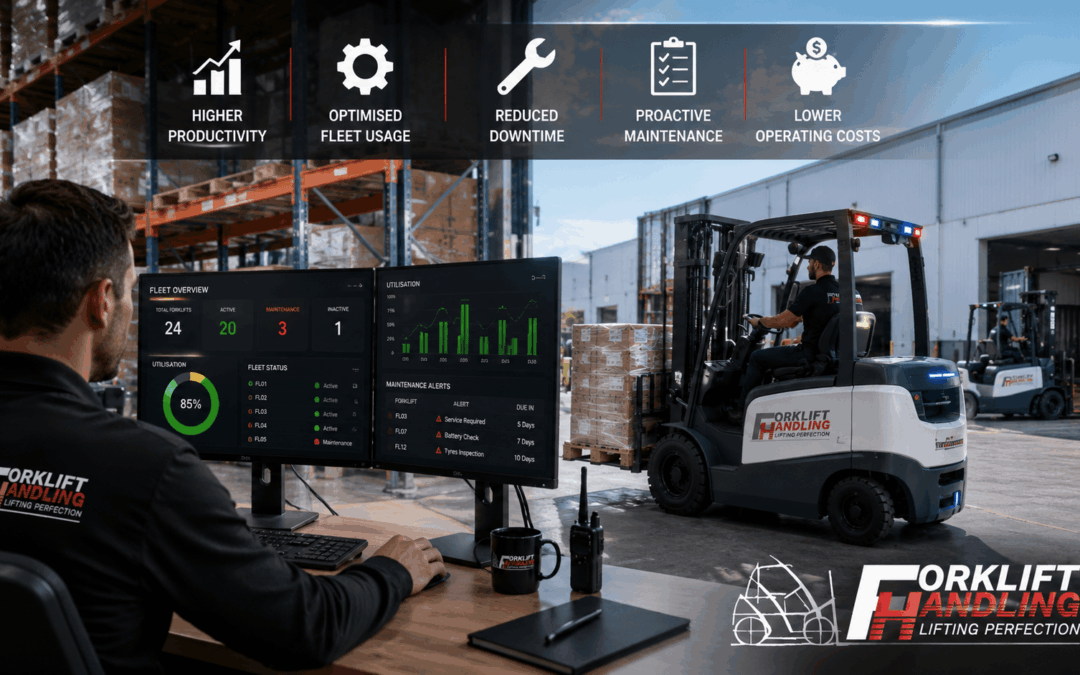
Effective forklift fleet management helps businesses monitor equipment performance, improve operational efficiency, reduce maintenance costs, and ensure forklifts are being used to their full potential.
In this guide, we’ll explore how forklift fleet management improves productivity and why it has become a critical part of modern material handling operations.
What Is Forklift Fleet Management?
Forklift fleet management refers to the process of monitoring, maintaining, and optimising a company’s forklift fleet to improve performance and reduce costs.
This can include:
- Equipment tracking
- Maintenance scheduling
- Operator management
- Fuel and battery monitoring
- Utilisation reporting
- Safety monitoring
- Performance analysis
By collecting and analysing operational data, businesses can make informed decisions that improve overall productivity.
Why Forklift Fleet Management Matters
Many businesses operate multiple forklifts across various departments, shifts, and facilities.
Without effective management, common issues can include:
- Excessive downtime
- Equipment abuse
- Unplanned breakdowns
- Underutilised forklifts
- Increased maintenance costs
- Reduced productivity
A structured fleet management strategy helps identify and eliminate these inefficiencies.
1. Reduces Equipment Downtime
Downtime is one of the biggest productivity killers in any operation.
When a forklift breaks down unexpectedly, it can:
- Delay shipments
- Interrupt production
- Increase labour costs
- Reduce customer satisfaction
Fleet management systems help reduce downtime through preventative maintenance planning.
- Benefits Include:
- Early fault detection
- Scheduled servicing
- Reduced breakdowns
- Longer equipment lifespan
- Improved reliability
By addressing potential issues before they become major problems, businesses can keep operations running smoothly.
2. Improves Forklift Utilisation
Many businesses are surprised to discover that some forklifts are heavily used while others sit idle for long periods.
Fleet management helps monitor:
- Usage hours
- Equipment availability
- Idle time
- Shift utilisation
This data allows managers to balance workloads more effectively and maximise the use of existing equipment.
Improved Utilisation Can Lead To:
- Increased productivity
- Reduced equipment purchases
- Better resource allocation
- Lower operating costs
Understanding how forklifts are being used can reveal significant opportunities for improvement.
3. Optimises Maintenance Scheduling
Reactive maintenance is expensive.
Waiting for equipment to fail often results in:
- Costly repairs
- Production delays
- Emergency service call-outs
- Increased downtime
Fleet management systems allow businesses to schedule preventative maintenance based on:
- Operating hours
- Manufacturer recommendations
- Equipment condition
- Usage patterns
- Benefits Include:
- Lower repair costs
- Reduced downtime
- Improved reliability
- Extended equipment lifespan
Preventive maintenance is one of the most effective ways to improve forklift productivity.
4. Enhances Operator Accountability
Operator behaviour has a direct impact on equipment performance and workplace safety.
Fleet management systems can track:
- Operator usage
- Access control
- Driving behaviour
- Impact incidents
- Safety compliance
This helps encourage responsible equipment use while reducing unnecessary wear and tear.
Benefits Include:
- Improved safety
- Reduced equipment damage
- Better training opportunities
- Increased accountability
Operators who understand that performance is monitored are often more likely to follow best practices.
5. Improves Warehouse Efficiency
Forklifts play a key role in warehouse productivity.
When fleet managers have visibility into equipment utilisation and movement patterns, they can identify inefficiencies such as:
- Bottlenecks
- Excessive travel distances
- Equipment shortages
- Poor task allocation
Addressing these issues can significantly improve workflow efficiency.
Results May Include:
- Faster order fulfilment
- Reduced travel time
- Improved inventory movement
- Increased throughput
Small improvements across multiple processes can have a substantial impact on overall productivity.
6. Supports Better Decision Making
Data-driven decision making is one of the biggest advantages of forklift fleet management.
Managers gain access to valuable information such as:
- Equipment performance
- Maintenance history
- Utilisation trends
- Cost analysis
- Productivity metrics
This allows businesses to make informed decisions regarding:
- Fleet expansion
- Equipment replacement
- Maintenance planning
- Operator training
Better information leads to better operational outcomes.
7. Reduces Operating Costs
Productivity and cost savings often go hand in hand.
Fleet management can help reduce:
- Maintenance expenses
- Fuel consumption
- Battery replacement costs
- Equipment downtime
- Labour inefficiencies
By improving operational efficiency, businesses can often achieve significant long-term savings.
Technology and Modern Forklift Fleet Management
Many modern forklifts are equipped with telematics systems that provide real-time data and reporting.
Common features include:
- GPS tracking
- Impact monitoring
- Maintenance alerts
- Operator access control
- Battery monitoring
- Usage reporting
These technologies provide greater visibility into fleet performance and help managers identify opportunities for improvement.
Signs Your Business Needs Better Fleet Management
You may benefit from improved fleet management if you experience:
- Frequent forklift breakdowns
- Rising maintenance costs
- Equipment shortages
- Low productivity levels
- Unexplained equipment damage
- Excessive idle time
Addressing these issues can lead to immediate operational improvements.
Frequently Asked Questions
What is forklift fleet management?
Forklift fleet management involves monitoring and optimising forklift usage, maintenance, safety, and performance to improve productivity and reduce costs.
How does fleet management reduce downtime?
By scheduling preventative maintenance and identifying potential issues early, businesses can avoid unexpected breakdowns and costly disruptions.
Can fleet management improve safety?
Yes. Many systems monitor operator behaviour, impact incidents, and safety compliance, helping reduce accidents and equipment damage.
Is forklift fleet management suitable for small businesses?
Absolutely. Even smaller fleets can benefit from improved maintenance planning, utilisation tracking, and operational efficiency.
Conclusion
Forklift fleet management is about more than simply keeping equipment operational. It provides businesses with the tools and insights needed to improve productivity, reduce costs, enhance safety, and maximise the value of their material handling equipment.
By reducing downtime, improving equipment utilisation, optimising maintenance schedules, and leveraging operational data, businesses can create a more efficient and productive workplace.
Whether you operate a small warehouse or a large distribution centre, effective forklift fleet management can play a significant role in improving overall business performance and supporting long-term growth.
Contact us for your Forklift Requirements Today!
sales@forklifthandling.com
leon@forklifthandling.com
18 Bundo Road, Edenvale, GP, 1609, South Africa
by Robin van der Bijl | Mar 12, 2026 | News & Updates
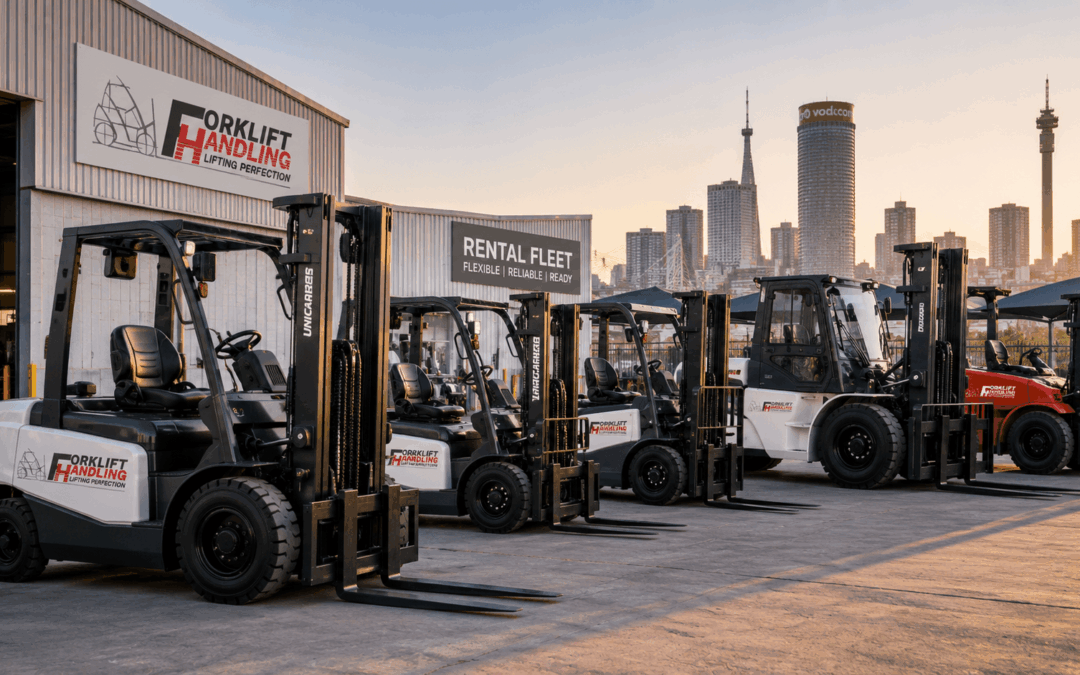
Looking for Forklift Hire in Johannesburg?
Whether you’re managing a warehouse, construction site, manufacturing facility, distribution centre, or logistics operation, having access to reliable forklift equipment is essential for maintaining productivity and efficiency.
For many businesses, forklift hire offers a flexible and cost-effective alternative to purchasing equipment outright. Instead of investing significant capital into a forklift, businesses can rent the equipment they need for short-term projects, seasonal demand, or long-term operational requirements.
If you’re considering forklift hire in Johannesburg, this guide will explain everything you need to know before making a decision.
Why Businesses Choose Forklift Hire
Forklift rental has become increasingly popular across Johannesburg because it provides businesses with flexibility while reducing the financial burden associated with equipment ownership.
Common reasons businesses choose forklift hire include:
- Temporary projects
- Seasonal demand increases
- Equipment breakdowns
- Warehouse expansions
- Construction projects
- Short-term contracts
- Cash flow management
Hiring a forklift allows businesses to access the right equipment without making a large upfront investment.
Industries That Benefit from Forklift Hire
Forklift rental solutions are widely used across various industries throughout Johannesburg.
Warehousing and Distribution
Warehouses often require additional forklifts during peak periods, stocktakes, and seasonal demand fluctuations.
Manufacturing
Manufacturing facilities frequently hire forklifts to support production increases, maintenance shutdowns, and special projects.
Construction
Construction companies often require forklifts for moving materials, equipment, and supplies on-site.
Logistics and Transport
Freight depots and logistics providers use rental forklifts to manage increased volumes and maintain operational efficiency.
Mining and Industrial Operations
Mining contractors and industrial facilities often require specialised forklift solutions for short-term projects and maintenance activities.
Benefits of Forklift Hire
Lower Upfront Costs
Purchasing a forklift can require a significant capital investment.
Hiring allows businesses to:
- Preserve cash flow
- Avoid large upfront costs
- Allocate capital elsewhere
- Improve financial flexibility
- Access to Modern Equipment
Forklift rental companies typically maintain modern fleets that include the latest technology and safety features.
Benefits include:
- Improved reliability
- Better fuel efficiency
- Enhanced operator comfort
- Advanced safety systems
- Reduced Maintenance Responsibility
Many forklift hire agreements include maintenance and support.
This can provide:
- Predictable operating costs
- Reduced downtime
- Professional servicing
- Technical support
- Flexibility
Rental solutions allow businesses to scale their equipment requirements based on operational demands.
Whether you need a forklift for a day, a month, or several years, rental agreements can be tailored to your requirements.
Types of Forklifts Available for Hire
Electric Forklifts
Electric forklifts are ideal for indoor environments such as warehouses and distribution centres.
Advantages
- Zero emissions
- Quiet operation
- Lower running costs
- Excellent manoeuvrability
- Common Applications
- Warehousing
- Manufacturing
- Retail distribution
- Indoor logistics operations
- Diesel Forklifts
Diesel forklifts are designed for demanding outdoor applications.
Advantages
- High lifting capacities
- Excellent outdoor performance
- Long operating hours
- Fast refuelling
- Common Applications
- Construction sites
- Freight yards
- Industrial facilities
- Mining operations
LPG Forklifts
LPG forklifts offer flexibility for businesses that require both indoor and outdoor operation.
Advantages
- Quick refuelling
- Versatile performance
- Lower emissions than diesel
- Common Applications
- Mixed-use facilities
- Manufacturing plants
- Distribution centres
Reach Trucks
Reach trucks are specifically designed for warehouse environments with high racking systems.
Advantages
- Exceptional lift heights
- Narrow aisle operation
- Improved storage utilisation
- Common Applications
- Distribution centres
- High-bay warehouses
- Logistics facilities
How Much Does Forklift Hire Cost in Johannesburg?
The cost of forklift hire depends on several factors, including:
- Forklift type
- Lifting capacity
- Rental duration
- Fuel type
- Additional attachments
- Delivery requirements
Generally, short-term rentals carry a higher daily rate, while long-term rental agreements offer better value over time.
The best way to obtain an accurate price is to request a quotation based on your specific operational requirements.
Choosing the Right Forklift for Your Business
Before hiring a forklift, consider the following:
Load Capacity
Ensure the forklift can safely handle the loads you intend to move.
Lift Height
Determine the maximum height required for storage or material handling.
Operating Environment
Consider whether the forklift will operate:
- Indoors
- Outdoors
- On rough terrain
- In narrow aisles
- Rental Period
Understand how long you will require the equipment to ensure you receive the most cost-effective rental solution.
Common Mistakes to Avoid
When hiring a forklift, avoid these common mistakes:
Choosing Based on Price Alone
The cheapest forklift may not be the most suitable option for your operation.
Underestimating Capacity Requirements
Always ensure the forklift has sufficient lifting capacity for your application.
Ignoring Warehouse Layout
Aisle widths and storage configurations should influence equipment selection.
Failing to Plan for Growth
Consider future operational requirements when selecting rental equipment.
Why Work with a Professional Forklift Hire Company?
An experienced forklift supplier can provide:
- Expert equipment recommendations
- Flexible rental agreements
- Reliable support services
- Maintenance assistance
- Fast equipment availability
- Access to a wide range of forklift models
Partnering with a reputable supplier helps ensure you receive the right equipment for your operation.
Frequently Asked Questions
Can I hire a forklift for a single day?
Yes. Many forklift rental companies offer daily, weekly, monthly, and long-term rental options.
What forklift is best for warehouse use?
Electric counterbalance forklifts and reach trucks are generally the preferred choices for warehouse environments.
Is forklift hire cheaper than buying?
For short-term projects and temporary requirements, forklift hire is often significantly more cost-effective than purchasing equipment.
Do forklift hire agreements include maintenance?
Many rental agreements include servicing and maintenance support, although this may vary between suppliers.
Conclusion
Forklift hire provides Johannesburg businesses with a flexible, affordable, and efficient solution for managing material handling requirements. Whether you need a forklift for a warehouse, construction site, manufacturing facility, distribution centre, or industrial project, rental allows you to access the right equipment without the financial commitment of ownership.
By carefully assessing your operational requirements and partnering with a trusted forklift hire company, you can improve productivity, reduce costs, and ensure your business has the equipment needed to operate efficiently.
If you’re looking for forklift hire in Johannesburg, speak to an experienced forklift specialist who can recommend the ideal equipment solution for your specific needs.
Contact us for your Forklift Requirements Today!
sales@forklifthandling.com
leon@forklifthandling.com
18 Bundo Road, Edenvale, GP, 1609, South Africa

Recent Comments