by Robin van der Bijl | May 4, 2025 | News & Updates
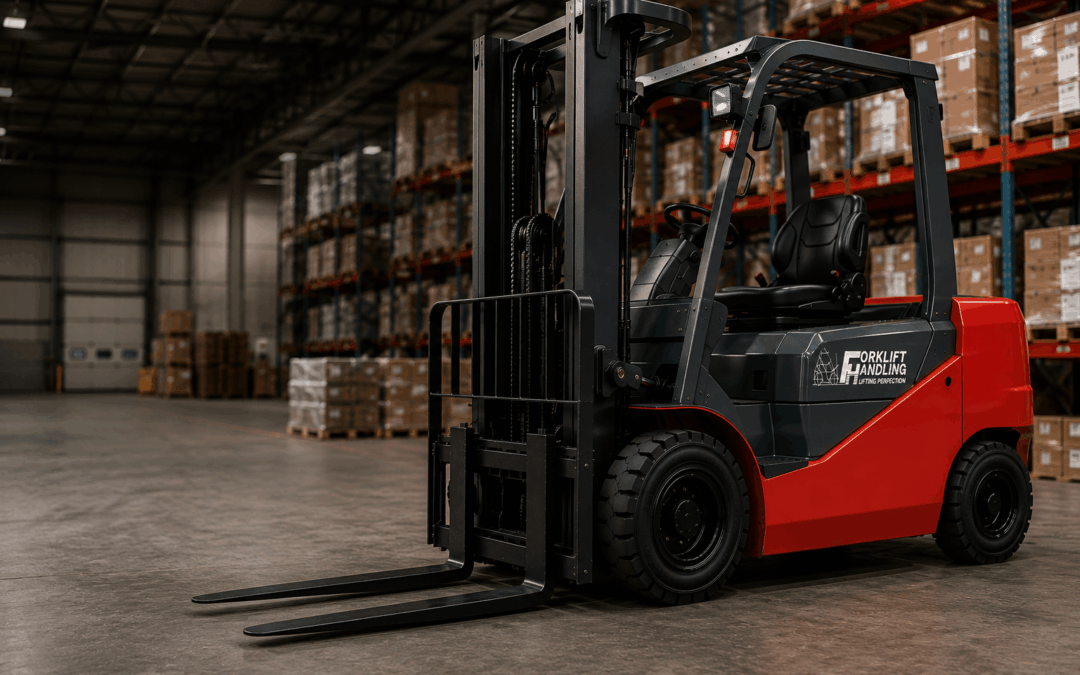
Should You Rent or Buy a Forklift?
For many businesses, forklifts are essential for moving materials safely and efficiently. Whether you operate a warehouse, distribution centre, manufacturing facility, construction site, or logistics company, having access to the right equipment is crucial.
One of the most common questions businesses face is whether to buy a forklift outright or rent one when needed. While purchasing a forklift can make sense for some operations, forklift rental often provides a more flexible and cost-effective solution.
If you’re unsure which option is best for your business, here are five clear signs that renting a forklift may be the smarter choice.
1. Your Forklift Requirements Are Temporary
One of the biggest reasons businesses choose forklift rental is that their need for equipment is temporary.
You may only require a forklift for:
- Seasonal increases in workload
- Special projects
- Warehouse relocations
- Construction contracts
- Temporary staff expansions
- Inventory stocktakes
Purchasing a forklift for a short-term requirement can tie up significant capital in equipment that may sit unused once the project is complete.
By renting a forklift, you only pay for the equipment when you need it, helping to keep operating costs under control.
Example
A warehouse preparing for a busy holiday season may need additional forklifts for only two or three months. Renting allows the business to meet demand without making a long-term investment.
2. You Want to Preserve Cash Flow
Forklifts represent a substantial capital investment. Depending on the type, capacity, and specifications, purchasing a forklift can require a significant upfront expenditure.
Many businesses prefer to allocate capital toward:
- Business growth
- Inventory purchases
- Marketing and sales
- Facility upgrades
- Staff expansion
- Technology investments
Forklift rental eliminates the need for a large upfront purchase and converts the expense into a manageable operating cost.
- Benefits of Improved Cash Flow
- Greater financial flexibility
- Reduced pressure on working capital
- Easier budgeting
- Lower financial risk
For growing businesses, preserving cash flow is often one of the strongest arguments for renting rather than buying.
3. Your Workload Fluctuates Throughout the Year
Not every business requires the same amount of equipment all year round.
Industries that often experience seasonal fluctuations include:
- Warehousing
- Logistics
- Retail distribution
- Agriculture
- Manufacturing
- Construction
When demand increases, additional forklifts may be needed to maintain productivity. During quieter periods, however, owning multiple forklifts can leave expensive equipment sitting idle.
Forklift rental provides the flexibility to scale your fleet up or down as required.
Advantages of Flexible Fleet Management
- Pay only for equipment you actively use
- Easily increase capacity during peak periods
- Reduce unnecessary ownership costs
- Improve operational efficiency
Rental allows businesses to match equipment levels directly to workload demands.
4. You Want to Avoid Maintenance and Repair Costs
Forklift ownership comes with ongoing maintenance responsibilities.
Over time, forklifts require:
- Routine servicing
- Replacement parts
- Tyre replacements
- Battery maintenance
- Hydraulic repairs
- Breakdown repairs
- Safety inspections
These costs can quickly add up and may be difficult to predict.
Many forklift rental agreements include maintenance and support, reducing the burden on your business and helping to prevent unexpected expenses.
Benefits of Rental Maintenance Packages
- Reduced downtime
- Predictable operating costs
- Professional servicing
- Faster repair response times
- Improved equipment reliability
Instead of managing repairs yourself, your rental provider handles maintenance so you can focus on running your business.
5. You Need Access to the Latest Equipment
Forklift technology continues to evolve, offering improvements in:
- Safety systems
- Fuel efficiency
- Battery performance
- Operator comfort
- Productivity features
- Telematics and fleet tracking
Businesses that own forklifts may continue operating older equipment long after newer, more efficient models become available.
Forklift rental gives you access to modern equipment without the long-term commitment of ownership.
Benefits of Newer Forklift Models
- Improved safety features
- Better fuel economy
- Reduced maintenance requirements
- Increased productivity
- Lower operating costs
For businesses that value flexibility and operational efficiency, renting can provide access to the latest technology without the burden of ownership.
Additional Benefits of Forklift Rental
Beyond the five signs above, forklift rental offers several additional advantages:
Fast Equipment Availability
Rental companies often have equipment available immediately, helping businesses respond quickly to changing operational requirements.
Trial Before Purchase
Renting allows businesses to evaluate different forklift models before making a long-term purchasing decision.
Reduced Asset Management
Ownership requires managing servicing schedules, maintenance records, depreciation, and resale value. Rental eliminates much of this administrative burden.
Lower Risk
If your operational needs change, rental provides greater flexibility than owning equipment that may no longer suit your requirements.
When Buying a Forklift May Be the Better Option
Although rental offers many advantages, purchasing may still be the right choice if:
- You use the forklift daily throughout the year
- Your operational requirements remain consistent
- You plan to keep the equipment for many years
- You prefer owning business assets
- Long-term ownership costs are lower than ongoing rental fees
A professional forklift supplier can help analyse your usage patterns and determine the most cost-effective solution.
Frequently Asked Questions
Is renting a forklift cheaper than buying?
For short-term and seasonal requirements, renting is often significantly more cost-effective than purchasing. For long-term, high-usage operations, buying may provide better value.
How long can I rent a forklift for?
Most forklift rental providers offer flexible rental periods ranging from a single day to several years.
Does forklift rental include maintenance?
Many rental agreements include servicing, maintenance, and breakdown support. Always confirm what is included with your supplier.
Can I rent different types of forklifts?
Yes. Rental fleets often include electric, diesel, LPG, reach trucks, pallet stackers, and specialised material handling equipment.
Conclusion
Forklift rental offers businesses flexibility, cost control, and access to modern equipment without the financial commitment of ownership.
If your equipment requirements are temporary, seasonal, unpredictable, or if you want to preserve cash flow and avoid maintenance responsibilities, renting may be the ideal solution.
Before making a decision, evaluate your operational needs, budget, and long-term goals. Partnering with an experienced forklift handling specialist can help ensure you choose the most cost-effective and productive solution for your business.
Contact us for your Forklift Requirements Today!
sales@forklifthandling.com
leon@forklifthandling.com
18 Bundo Road, Edenvale, GP, 1609, South Africa
by Robin van der Bijl | Apr 17, 2025 | News & Updates
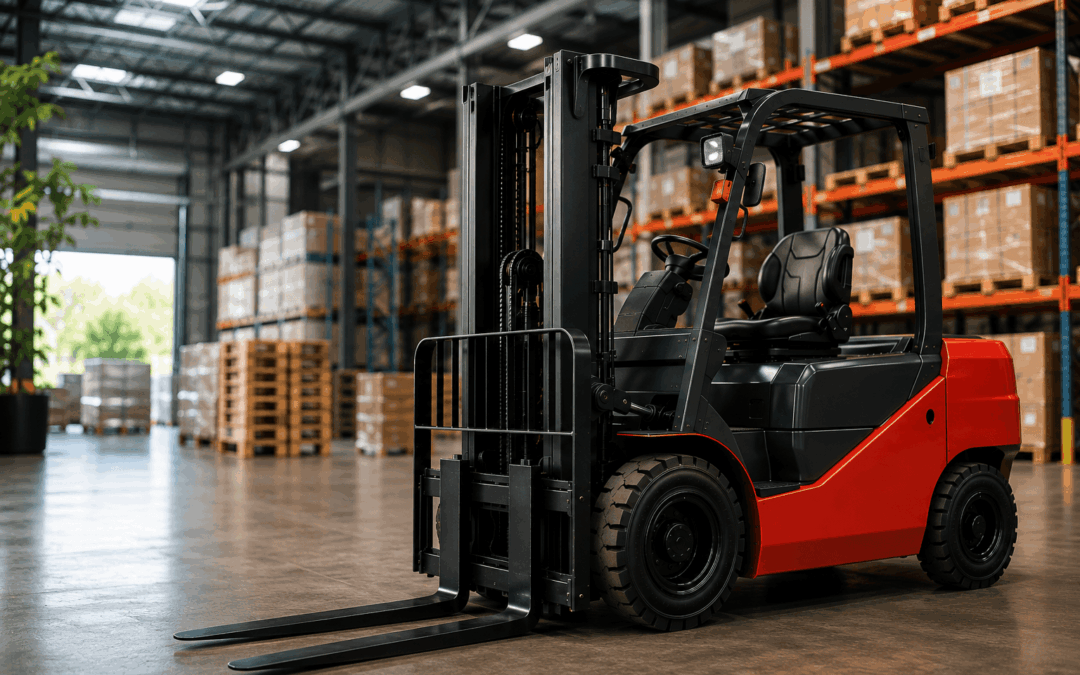
How to Choose the Right Forklift for Your Business
Choosing the Right Forklift Can Improve Productivity and Reduce Costs
Selecting the right forklift is one of the most important decisions for any warehouse, distribution centre, manufacturing facility, construction site, or logistics operation. The correct forklift can improve efficiency, increase safety, reduce operating costs, and ensure your material handling processes run smoothly.
With so many forklift types, lifting capacities, and fuel options available, choosing the right machine can seem overwhelming. This guide will help you understand the key factors to consider when selecting a forklift for your business.
1. Understand Your Lifting Requirements
The first step in choosing a forklift is determining what loads you need to lift and move.
Consider the following:
- Average load weight
- Maximum load weight
- Load dimensions
- Pallet sizes
- Frequency of lifting operations
- Maximum lifting height required
Forklifts are available in various lifting capacities, typically ranging from 1.5 tons to over 16 tons. Choosing a forklift with insufficient capacity can create safety risks, while purchasing an oversized machine may result in unnecessary operating expenses.
2. Consider Your Working Environment
Your operating environment will have a significant impact on the type of forklift best suited to your business.
Indoor Operations
For warehouses, distribution centres, and manufacturing facilities, electric forklifts are often the preferred choice because they:
- Produce zero emissions
- Operate quietly
- Require less maintenance
- Are ideal for enclosed spaces
- Outdoor Operations
For construction sites, yards, and rugged terrain, diesel or LPG forklifts may be more suitable because they:
- Deliver greater power
- Handle uneven surfaces effectively
- Offer longer operating times
- Perform well in demanding environments
3. Choose the Right Forklift Fuel Type
Electric Forklifts
Electric forklifts have become increasingly popular due to their efficiency and environmental benefits.
Benefits include:
- Lower running costs
- Reduced maintenance requirements
- Quiet operation
- No exhaust emissions
Best suited for:
- Warehouses
- Distribution centres
- Food and beverage facilities
- Indoor material handling
Diesel Forklifts
Diesel forklifts are known for their durability and lifting power.
Benefits include:
- High lifting capacities
- Excellent outdoor performance
- Long operating hours
Best suited for:
- Construction sites
- Mining operations
- Heavy industrial applications
- Outdoor yards
LPG Forklifts
LPG forklifts provide a balance between electric and diesel options.
Benefits include:
- Quick refuelling
- Good indoor and outdoor performance
- Lower emissions than diesel
Best suited for:
- Mixed-use environments
- Warehouses with occasional outdoor work
- General material handling operations
4. Evaluate Lift Height Requirements
Different businesses require different lift heights depending on their storage systems.
Ask yourself:
- How high are your storage racks?
- Will loads be placed on elevated shelving?
- Do you require stacking at multiple levels?
Choosing a forklift with the correct mast configuration ensures efficient operation while maintaining stability and safety.
Common mast options include:
- Two-stage mast
- Three-stage mast
- Full free-lift mast
- Container mast
5. Assess Aisle Width and Space Constraints
Many warehouses operate in confined spaces where manoeuvrability is critical.
If your facility has narrow aisles, consider:
- Reach trucks
- VNA (Very Narrow Aisle) forklifts
- Electric counterbalance forklifts
These machines are specifically designed to maximise storage capacity while maintaining efficient movement throughout the warehouse.
6. Consider Operator Comfort and Safety
Forklift operators often spend many hours behind the controls. A comfortable operator is generally a safer and more productive operator.
Look for features such as:
- Ergonomic seating
Adjustable controls
Excellent visibility
Suspension systems
Safety warning systems
LED lighting
Reverse alarms
Modern forklifts also offer advanced safety technologies that help reduce workplace accidents and improve compliance.
7. Think About Maintenance and Support
A forklift is a long-term investment, and ongoing maintenance plays a crucial role in reliability.
Before making a purchase or rental decision, consider:
- Availability of spare parts
- Service support
- Maintenance plans
- Warranty options
- Technical assistance
Partnering with a reputable forklift supplier can minimise downtime and keep your operation running efficiently.
8. Decide Whether to Buy or Hire
Many businesses struggle with the decision between purchasing and renting a forklift.
Buying May Be Better If:
- You require long-term use
- Daily utilisation is high
- You want full ownership of the asset
Hiring May Be Better If:
- You have seasonal demand
- You require temporary equipment
- You want to avoid large capital expenditure
- You need flexibility as your business grows
A professional forklift supplier can help determine the most cost-effective solution for your specific requirements.
Common Mistakes to Avoid
When choosing a forklift, avoid these common mistakes:
- Selecting the cheapest option instead of the most suitable one
- Underestimating lifting capacity requirements
- Ignoring future business growth
- Overlooking maintenance costs
- Choosing the wrong fuel type
- Failing to consider aisle widths and operating space
Taking the time to properly assess your needs can save your business significant costs in the long run.
Frequently Asked Questions
What forklift capacity do I need?
The required capacity depends on the weight and dimensions of your loads. Always choose a forklift that exceeds your maximum lifting requirements while maintaining safe operating limits.
Are electric forklifts better than diesel forklifts?
Neither is universally better. Electric forklifts are ideal for indoor environments, while diesel forklifts are often better suited for heavy-duty outdoor applications.
How long does a forklift typically last?
With proper maintenance, a quality forklift can provide reliable service for 10,000 to 20,000 operating hours or more.
Is forklift rental more affordable than buying?
For short-term projects and seasonal demand, forklift rental can be significantly more cost-effective than purchasing.
Conclusion
Choosing the right forklift is about more than lifting capacity. You must consider your operating environment, load requirements, fuel type, lift height, available space, maintenance support, and long-term business goals.
By carefully evaluating these factors, you can select a forklift that improves productivity, enhances workplace safety, and delivers the best return on investment for your business.
If you’re unsure which forklift is right for your operation, consult with an experienced forklift handling specialist who can recommend the ideal solution based on your specific requirements.
Contact us for your Forklift Requirements Today!
sales@forklifthandling.com
leon@forklifthandling.com
18 Bundo Road, Edenvale, GP, 1609, South Africa
by Robin van der Bijl | Apr 16, 2025 | 3 Ton Diesel Forklifts, Diesel Forklifts, Doosan
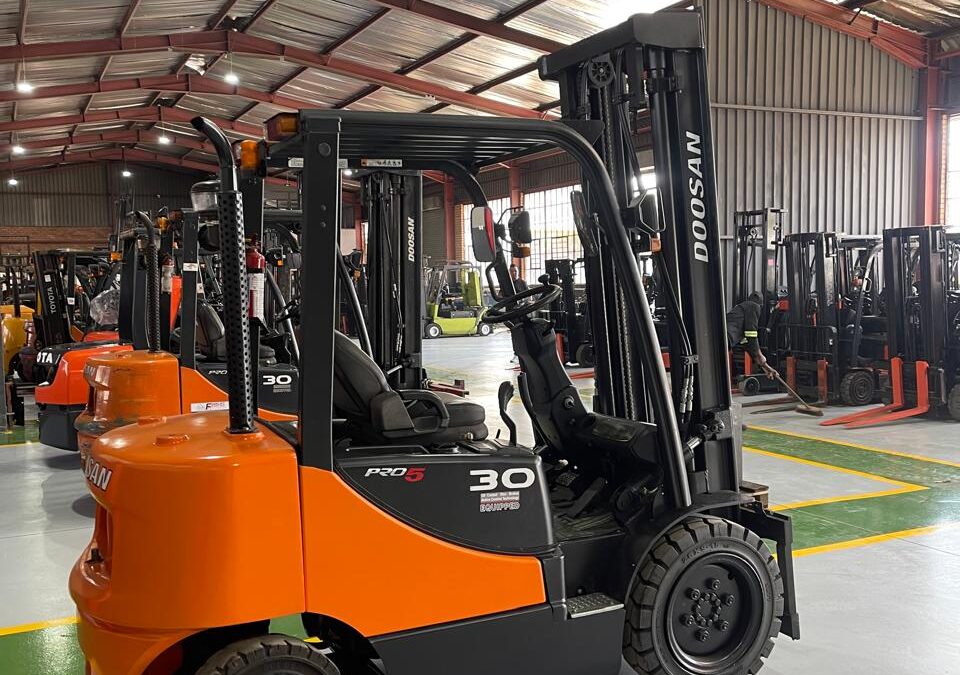
Doosan 3-Ton Diesel Forklift – Powerful, Reliable & Built for Productivity
The Doosan 3-ton diesel Forklift is designed to deliver exceptional lifting power, rugged durability, and operator comfort for medium to heavy-duty applications. Trusted across industries, this forklift is built to perform in challenging environments such as construction sites, warehouses, logistics yards, and manufacturing facilities.
Key Features:
- Lifting Capacity: 3,000 kg (3 tons)
- Engine Type: High-performance diesel engine for powerful, fuel-efficient operation
- Durable Build: Reinforced frame and mast system engineered for long-term reliability
- Operator Comfort: Ergonomically designed cabin with reduced noise, vibration, and fatigue
- Smooth Handling: Advanced hydraulics for precise control and safe load placement
- Safety Features: Operator presence system, enhanced visibility, and stable design for safer operations
Why Choose the Doosan 4-Ton Diesel Forklift?
- Versatile Power: Ideal for indoor and outdoor use in a variety of industrial settings
- Fuel Efficiency: Low fuel consumption helps reduce running costs over time
- Low Maintenance: Easy-access servicing points and reliable components ensure minimal downtime
- Proven Performance: Doosan forklifts are known globally for delivering value, durability, and consistent power
If you need a dependable solution for handling heavier loads with ease and efficiency, the Doosan 3-ton diesel Forklift is the perfect fit for your operation.

by Robin van der Bijl | Apr 16, 2025 | 4.5 Ton Diesel Forklifts, Diesel Forklifts, Doosan
Doosan 4.5-Ton Diesel Forklift – Powerful, Reliable & Built for Productivity
The Doosan 4.5-ton diesel Forklift is designed to deliver exceptional lifting power, rugged durability, and operator comfort for medium to heavy-duty applications. Trusted across industries, this forklift is built to perform in challenging environments such as construction sites, warehouses, logistics yards, and manufacturing facilities.
Key Features:
- Lifting Capacity: 4,500 kg (4.5 tons)
- Engine Type: High-performance diesel engine for powerful, fuel-efficient operation
- Durable Build: Reinforced frame and mast system engineered for long-term reliability
- Operator Comfort: Ergonomically designed cabin with reduced noise, vibration, and fatigue
- Smooth Handling: Advanced hydraulics for precise control and safe load placement
- Safety Features: Operator presence system, enhanced visibility, and stable design for safer operations
Why Choose the Doosan 4.5-Ton Diesel Forklift?
- Versatile Power: Ideal for indoor and outdoor use in a variety of industrial settings
- Fuel Efficiency: Low fuel consumption helps reduce running costs over time
- Low Maintenance: Easy-access servicing points and reliable components ensure minimal downtime
- Proven Performance: Doosan forklifts are known globally for delivering value, durability, and consistent power
If you need a dependable solution for handling heavier loads with ease and efficiency, the Doosan 4.5-ton diesel Forklift is the perfect fit for your operation.

by Robin van der Bijl | Apr 16, 2025 | 3.5 Ton Diesel Forklifts, Diesel Forklifts, Mitsubishi
Mitsubishi 3.5-Ton Diesel Forklift – Versatile Power for Everyday Operations
The Mitsubishi 3.5 3.5-ton diesel Forklift is a dependable all-rounder, designed to handle a wide variety of material handling tasks with efficiency and ease. Built for performance, comfort, and a low cost of ownership, this forklift is ideal for warehousing, logistics, manufacturing, and outdoor yard work.
Key Features:
- Lifting Capacity: 3,500 kg (3.5 tons)
- Engine: Fuel-efficient diesel engine for consistent, high-torque performance
- Sturdy Design: Durable frame and mast system built for regular industrial use
- Comfort-Focused Cabin: Ergonomic seat, intuitive controls, and excellent visibility for reduced operator fatigue
- Maneuverability: Compact turning radius for easy operation in tight spaces
- Safety Features: Built-in safety systems and operator presence detection for added peace of mind
Why Choose the Mitsubishi 3.5-Ton Diesel Forklift?
- Fuel Efficient & Reliable: Great for long work shifts with minimal refueling and maintenance
- Multi-Application Ready: Suitable for use indoors or outdoors, on smooth floors or rugged surfaces
- Proven Durability: Engineered for long service life, even in tough environments
- Brand You Can Trust: Mitsubishi is a global leader in quality material handling solutions
Whether you’re loading trucks, stacking pallets, or managing a busy distribution center, the Mitsubishi 3.5 3.5-ton diesel Forklift offers the perfect combination of performance, control, and efficiency.

Recent Comments